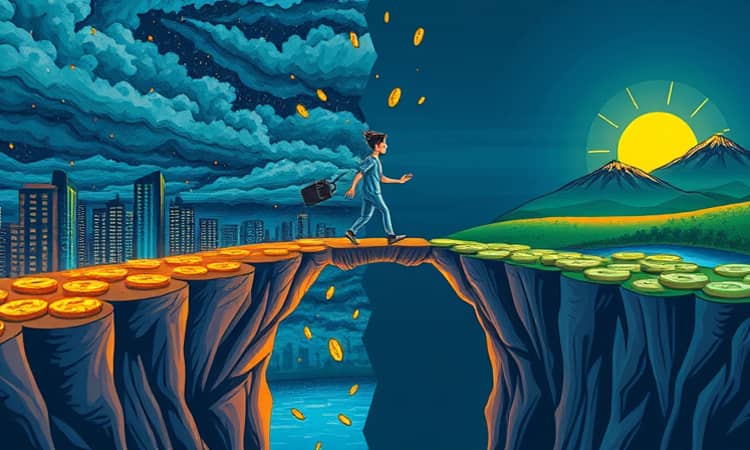
In a world where financial surprises can strike at any moment, the urgent need for cash often leaves individuals feeling trapped. Short-term loans emerge as a potential solution, offering quick relief but requiring careful navigation.
These loans provide rapid access to credit, bridging gaps when traditional options fall short. However, their high costs and complex regulations demand a thorough understanding to avoid pitfalls.
As we explore this topic, market trends in 2025-2026 reveal a shifting landscape that impacts borrowing decisions. This article aims to inspire and equip you with practical knowledge for managing urgent financial needs responsibly.
What Are Short-Term Loans?
Short-term loans are credit extensions typically requiring repayment within 45 days of origination. They cater to immediate financial crises, such as unexpected bills or emergency expenses.
Various types exist, each with unique features and risks. Knowing these can help you make informed choices when urgency strikes.
- Payday loans: Small-dollar advances due on your next payday, often with steep fees.
- Vehicle title loans: Secured by your car title, offering quick cash but risking asset loss.
- High-cost installment loans: Loans with interest rates exceeding 36% per annum, spread over multiple payments.
- Longer-term balloon-payment loans: Involving a large final payment, which can catch borrowers off guard.
These loans are commonly used for covering unexpected bills or avoiding overdraft fees. They exclude certain categories, like purchase money security interest loans, which finance specific goods.
The Benefits: Quick Cash When You Need It Most
Short-term loans offer immediate financial relief in emergencies, filling gaps where banks may hesitate. Regulatory changes have increased their availability, making them a vital tool for many.
They can prevent worse outcomes, such as eviction or utility shutoffs, by providing timely assistance. This is especially crucial during economic downturns or personal crises.
- Enable access to credit without stringent underwriting, post-2020 rule changes.
- Support small businesses with thin margins, evidenced by lending growth of 6.4% month-over-month.
- Serve as a stopgap during shocks like job losses or medical emergencies.
For consumers, these loans act as a lifeline in critical situations, allowing them to address pressing needs without delay. However, benefits must be weighed against potential costs.
The Dark Side: Understanding the Risks
Despite their advantages, short-term loans carry significant risks and drawbacks. High interest rates and fees can lead to debilitating debt cycles if not managed carefully.
Payment issues, such as repeated debits causing overdraft fees, add to financial strain. It's essential to approach these loans with caution and awareness.
- Interest rates often exceed 36% per annum, with online loans reaching up to 99% APR.
- Repeated payment failures can trigger additional charges, worsening the debt burden.
- Delinquency trends show stability in some areas, but broader economic strains, like 140,000 job losses at small firms, heighten risk.
- Consumer harm occurs when high costs erode protections, emphasizing the need for responsible borrowing.
Always assess your ability to repay before committing to a loan. Understanding these risks empowers you to make safer financial decisions.
Navigating the Regulatory Maze
The regulatory landscape for short-term loans is complex, balancing access with consumer protection. Key rules, such as the CFPB Payday Lending Rule, have evolved to address abuses.
In 2017, mandatory underwriting checks were introduced, but revoked in 2020. However, payment provisions remain intact, limiting debits after two failed attempts to curb fees.
This applies to loans with terms under 45 days or costs over 36% per annum. State laws, like California's CCFPL, add additional oversight to prevent unfair practices.
These regulations aim to maintain credit access while curbing abusive practices. Staying informed helps you navigate this maze effectively.
Market Trends and Economic Context (2025-2026)
The economic environment in 2025-2026 influences short-term loan availability and costs. With falling interest rates expected, borrowing may become more affordable, but other factors play a role.
Trends indicate a mixed picture, with some areas showing growth while others face challenges. Understanding this context is key to strategic borrowing.
- Small business lending is muted year-to-date, down 4.8%, but signs of recovery are emerging.
- Delinquencies for 31-90 days have decreased by 4 basis points, suggesting stability in some sectors.
- Mortgage originations are projected to rise to $2.2 trillion in 2026, with unemployment creeping up to 4.7%.
- Home equity, valued at $36 trillion, offers an alternative cushion for those with assets.
These trends highlight a strategic window for financing as rates drop. However, rising unemployment and budget deficits could keep long-term rates elevated, affecting loan affordability.
The Future Outlook: Opportunities and Cautions
Looking ahead, the future of short-term loans is tied to economic recovery and regulatory shifts. An economic rebound in Q1 2026 is anticipated, with Fed rate cuts easing borrowing costs.
Banks are reviving small-dollar lending programs, leveraging technology for efficiency. Borrowers should explore alternatives and stay vigilant to navigate this evolving landscape.
- Focus on comparing rates and terms from multiple lenders to find the best deal.
- Consider lower-cost options like PAL II loans or home equity lines of credit.
- Be cautious of potential rises in delinquencies if unemployment increases, monitoring your financial health closely.
- Embrace financial literacy tools to improve decision-making and avoid debt traps.
To thrive in this environment, adopt practical tips for borrowers. Evaluate your situation thoroughly, seek advice when needed, and prioritize long-term stability over short-term fixes.
Short-term loans can be a powerful bridge in emergencies, but they require wisdom and restraint. By embracing knowledge and proactive planning, you can turn financial challenges into opportunities for growth and resilience.
References
- https://www.equifax.com/business/blog/-/insight/article/small-business-lending-trends-navigating-a-rocky-road-ahead/
- https://www.consumerfinancialserviceslawmonitor.com/2020/07/cfpb-relaxes-underwriting-requirement-for-small-dollar-lending/
- https://www.mba.org/news-and-research/newsroom/news/2025/10/19/mba-forecast--total-single-family-mortgage-originations-to-increase-8-percent-to--2.2-trillion-in-2026
- https://www.consumerfinance.gov/payday-rule/
- https://www.nerdwallet.com/business/loans/learn/rates-fees
- https://dfpi.ca.gov/rules-enforcement/laws-and-regulations/california-consumer-financial-protection-law/
- https://www.spglobal.com/ratings/en/regulatory/article/secondary-markets-loan-prices-rise-broadly-despite-softness-among-weaker-issuers-s101664508
- https://www.consumerfinance.gov/compliance/compliance-resources/consumer-lending-resources/payday-lending-rule/payday-lending-rule-faqs/
- https://www.financialresearch.gov/short-term-funding-monitor/
- https://consumerfed.org/preserve-the-payday-lending-rule/
- https://www.deloitte.com/us/en/insights/industry/financial-services/financial-services-industry-outlooks/banking-industry-outlook.html
- https://www.occ.gov/topics/consumers-and-communities/consumer-protection/payday-lending/index-payday-lending.html
- https://britepayments.com/resources/article/consumer-lending-trends-2026/
- https://www.fdic.gov/consumer-compliance/consumer-lending-compliance
- https://treasury-management.com/blog/stay-opportunistic-capital-markets-trends-and-strategies-for-2026