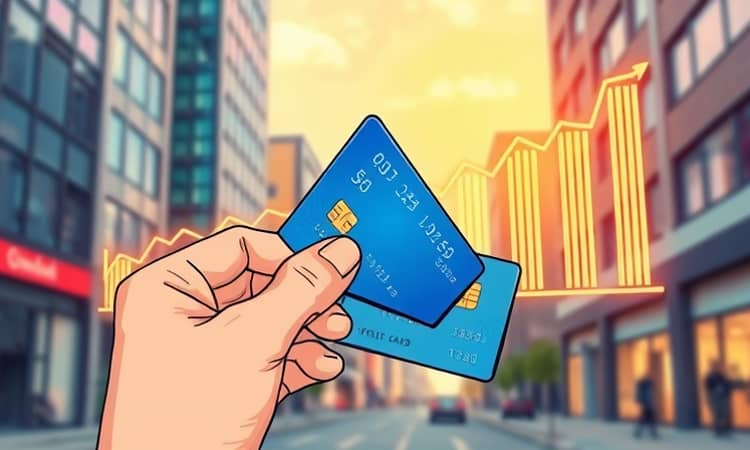
In today's fast-paced financial world, your credit card limit is more than just a number—it's a gateway to your spending potential and economic resilience.
Understanding this key factor can transform how you manage money and navigate economic uncertainties.
This article explores the dynamic relationship between credit limits and your ability to spend, offering insights and strategies for empowerment.
What Are Credit Card Limits?
A credit card limit is the maximum borrowing amount set by your issuer.
It caps your spending power directly influencing your financial flexibility.
This limit is based on factors like your credit score income and payment history.
Exceeding it via multiple cards aggregates your total available credit but requires careful management.
Your credit utilization ratio which is balance divided by limit plays a critical role in your financial health.
Maintaining it below 30% is ideal for preserving a strong credit score.
How Limits Are Set and Increased
Credit limits are primarily tied to your FICO score with higher scores often leading to larger increases.
For instance scores of 670 or above typically receive more favorable limit adjustments.
Since 2023 lenders have become more cautious limiting growth to keep pace with inflation.
This trend means that even with good credit increases may be modest.
To optimize your limit regularly monitor your credit report and request increases when your score improves.
- Check your credit score annually through free services.
- Update your income information with issuers to reflect growth.
- Avoid frequent new credit applications that can lower your score.
- Pay bills on time consistently to build a positive history.
- Use credit responsibly over time to demonstrate reliability.
The Direct Impact on Spending Power
Higher credit limits enable more spending without maxing out your available credit.
This helps preserve your credit score by keeping utilization low.
However rapid balance growth can outpace limit increases squeezing your effective spending power.
From 2022 to 2024 balances rose by 8.4% annually while limits increased by only 4.4%.
This imbalance means many consumers face tighter constraints despite having access to credit.
Strategically managing this balance is essential for maintaining financial freedom.
Economic Forces at Play
The current economic context features high APRs averaging 23% to 24.37% since 2023.
This makes carrying balances costlier reducing the utility of credit limits.
There's a notable shift toward debit card usage with growth outpacing credit in recent years.
Total U.S. credit card debt has moderated but remains high at over $1.2 trillion.
Inflation and rising interest rates drive consumer caution especially among middle-income households.
- High APRs increase debt accumulation risks.
- Debit card usage grew 6.57% compared to credit's 5.65% in early 2025.
- Delinquency rates hover around 3.6% to 7.2% indicating ongoing financial stress.
- Many rely on credit for essentials due to economic pressures.
Navigating Risks and Maximizing Limits
High utilization can lead to increased costs and dangerous debt cycles.
It's crucial to adopt strategies that optimize your credit limits for better financial health.
Requesting limit increases can provide breathing room but should be done judiciously.
Improving your credit score through timely payments and low balances is a long-term solution.
Use multiple cards to spread spending and keep individual utilizations in check.
- Set up payment reminders to avoid late fees.
- Aim to pay more than the minimum to reduce interest charges.
- Review card statements monthly for errors or fraud.
- Consider balance transfers to lower APR cards if applicable.
- Educate yourself on credit terms to make informed decisions.
Trends and Demographic Insights
Credit limit trends vary significantly by age and credit score demographics.
Gen Z consumers are adopting cards earlier with 60% having them in their early twenties.
This compares to 54.5% for Millennials at a similar age.
Higher credit scores correlate with lower utilization and better limit increases.
For example fair scores (580-669) often revolve more debt than they receive in new credit.
Spending habits show that online purchases account for 69% of credit card usage.
Restaurants make up 33% of spending highlighting diverse consumption patterns.
- Rewards programs incentivize use with average returns of 1.6 cents per dollar.
- Business credit cards see average monthly spends of $23,000 for small businesses.
- Fraud losses are projected to reach $43 billion globally by 2026 affecting trust.
- Demographic shifts influence how issuers set and adjust limits.
Statistics and Data Analysis
Data-driven insights reveal the stark realities of credit limits and spending power.
The table below compiles key metrics from recent years to illustrate trends.
This data underscores the growth imbalance between balances and limits.
It highlights why proactive management is essential for sustaining spending power.
Forecasts suggest balances will rise slowly by 2.3% to $1.18 trillion by end-2026.
This represents the slowest growth since 2013 excluding the pandemic year.
Staying informed with such statistics can guide your financial planning effectively.
Conclusion and Actionable Steps
Empower yourself by mastering your credit card limits and their impact.
Start by assessing your current utilization and setting goals to keep it low.
Regularly review your credit reports for accuracy and opportunities to improve.
Engage with issuers to discuss limit increases when your financial situation strengthens.
Remember that credit is a tool best used wisely to enhance not hinder your economic freedom.
By taking these steps you can navigate the complexities of spending power with confidence.
- Calculate your utilization monthly to track progress.
- Set budgets that align with your credit limits.
- Seek financial advice if debt becomes unmanageable.
- Celebrate small wins like paying off balances or score improvements.
- Stay updated on economic trends that affect credit policies.
References
- https://intellipay.com/habitsshift/
- https://newsroom.transunion.com/2026-consumer-credit-forecast/
- https://www.experian.com/blogs/ask-experian/credit-card-balances-and-credit-limits/
- https://ramp.com/blog/business-credit-card-statistics-and-metrics
- https://www.nerdwallet.com/credit-cards/learn/credit-card-data
- https://www.lendingtree.com/credit-cards/study/credit-card-debt-statistics/
- https://use.expensify.com/blog/credit-card-statistics
- https://dbrs.morningstar.com/research/471267/2026-us-credit-card-sector-outlook-another-year-of-disconnect-between-consumers-sour-mood-and-spending-habits
- https://consumerbankers.com/blog/point-of-impact-the-power-of-credit-cards/
- https://institute.bankofamerica.com/consumer-checkpoint.html
- https://talkerresearch.com/research-shows-many-americans-plan-to-carry-holiday-credit-card-debt-for-months/
- https://www.empower.com/the-currency/money/credit-card-research
- https://libertystreeteconomics.newyorkfed.org/2025/03/why-are-credit-card-rates-so-high/
- https://www.synchrony.com/blog/spending/7-surprising-credit-card-statistics