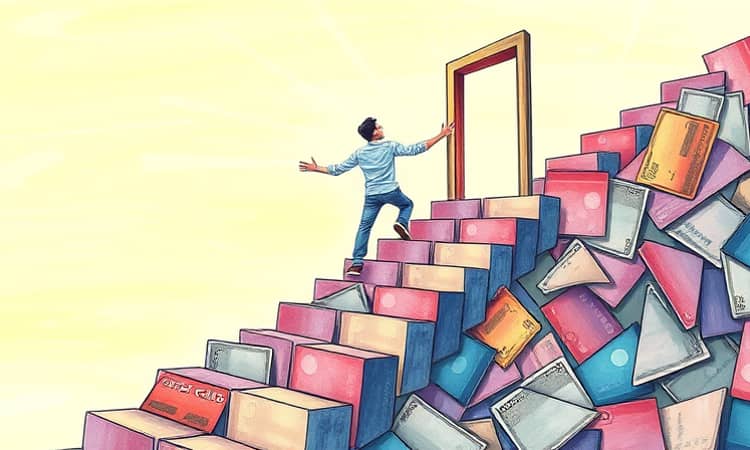
Credit card debt in the United States has climbed to unprecedented levels, with total balances exceeding $1.17 trillion in early 2026. This massive figure highlights a widespread financial challenge affecting millions of households.
On average, each U.S. household carries just under $11,000 in credit card debt, a burden that can feel overwhelming and isolating. However, with the right approach, recovery is not only possible but achievable.
This guide offers a detailed, actionable plan to help you navigate out of debt. By leveraging current data and proven methods, you can take control and build a more secure financial future.
Understanding the Current Debt Landscape
The credit card debt crisis is shaped by several key factors. In 2025-2026, balances have stabilized but remain high, with projections indicating slow growth.
For instance, delinquency rates have shown a slight decrease, with 30+ days past due at 2.98% in Q3 2025. This suggests some resilience in payment habits despite economic pressures.
Economic drivers like inflation have increased reliance on credit for everyday expenses. Middle-income households report an 18% rise in credit usage due to higher costs.
To put this in perspective, consider the following table summarizing recent trends and forecasts.
This data underscores the importance of addressing debt now. With average APRs hovering around 22.8% or higher, inaction can lead to significant interest accumulation.
Step 1: Assess Your Debt
Begin by taking a clear inventory of your credit card obligations. Calculate your total balance, which for many averages between $6,730 and $11,000 per household.
Identify the APR on each card, as rates can vary widely. For example, some cards offer lower interest, like low-interest cards at 17.68% APR in Q4 2025.
Key elements to assess include:
- Total debt across all cards.
- Individual APRs and minimum payments.
- Credit utilization ratios, which impact scores.
This step sets the foundation for your recovery plan. By understanding your numbers, you can prioritize effectively.
Step 2: Create a Budget
Budgeting is essential to curb reliance on credit. With inflation driving up costs, many households use cards more for daily needs.
Focus on cutting non-essential expenses and allocating funds toward debt repayment. Emergency expenses account for 25% of unexpected charges, often medical-related.
To create an effective budget, consider these areas:
- Track all income and expenses monthly.
- Reduce spending on groceries and utilities, which have risen 25-30% since 2020.
- Set aside money for debt payments before other costs.
This discipline helps free up cash for faster debt reduction. It also prepares you for unexpected financial shocks.
Step 3: Pay Down Strategies
Choosing the right payment method can accelerate your progress. Avoid making only minimum payments, a habit seen in 22% of credit card users.
Popular strategies include the debt snowball and avalanche methods. The snowball method pays off smallest balances first for motivation.
The avalanche method targets highest interest rates to save on costs. With APRs above 22%, this can prevent thousands in interest.
Key considerations when selecting a strategy:
- Your psychological motivation and financial goals.
- The total interest saved over time.
- How it fits with your budget and timeline.
Additionally, be aware of the savings-debt gap. High-yield savings accounts offer 4-5%, but this is overshadowed by 20%+ credit card APRs.
Step 4: Negotiate or Consolidate
If your debt is overwhelming, explore options like negotiation or consolidation. Debt forgiveness can reduce balances by 30-50% through lump-sum settlements.
This approach is viable in 2026 due to high interest rates and economic pressures. However, it may damage your credit score temporarily.
Alternatives include balance transfers to lower-interest cards. For instance, some cards have APRs as low as 17.68% for specific types.
Steps to negotiate effectively:
- Contact creditors to discuss settlement options.
- Prepare a lump-sum offer based on your savings.
- Understand potential tax implications on forgiven amounts.
Consolidation can simplify payments and reduce interest. It’s a practical tool for managing multiple debts.
Step 5: Build an Emergency Fund
An emergency fund is crucial to prevent new debt. Medical and unexpected expenses are leading causes of credit reliance.
Aim to save enough to cover three to six months of living expenses. This buffers against future shocks and reduces financial stress.
Ways to start building your fund include:
- Automate small savings from each paycheck.
- Cut back on discretionary spending temporarily.
- Use windfalls like tax refunds for savings.
With 70% of users carrying holiday debt for months, having savings can break this cycle. It fosters long-term stability.
Step 6: Avoid New Debt
Preventing new debt is key to maintaining progress. Be mindful of spending habits, especially during holidays when 70% expect to carry debt for months.
Adopt strategies to curb impulse purchases and stick to your budget. This helps stabilize your finances amid economic forecasts.
Tips to avoid new debt:
- Use cash or debit for daily transactions.
- Set spending limits and track them regularly.
- Plan for large expenses in advance to avoid credit reliance.
By staying vigilant, you can protect the gains from your debt repayment efforts. It reinforces positive financial habits.
Step 7: Monitor Credit and Delinquency
Keeping an eye on your credit health is essential. Delinquency rates have dipped slightly, but household debt levels remain high.
Regularly check your credit reports for errors and track your score. States like Utah show lower debt levels and better utilization, offering models for improvement.
Actions to monitor effectively:
- Review credit reports from major bureaus annually.
- Pay bills on time to avoid late fees and score drops.
- Use credit monitoring tools for alerts and insights.
This proactive approach helps you catch issues early. It aligns with broader economic trends of moderating growth.
Step 8: Long-Term Prevention
Sustain your recovery by building habits that prevent future debt. Learn from economic resilience lessons, such as those highlighted in recent data.
Focus on creating a sustainable financial lifestyle. This includes ongoing budgeting, saving, and mindful spending.
Strategies for long-term prevention:
- Continue educating yourself on personal finance topics.
- Set financial goals beyond debt repayment, like investing.
- Regularly reassess and adjust your plan as needed.
By embracing these practices, you can achieve lasting financial freedom. It turns recovery into a foundation for growth.
Recovering from credit card debt is a journey that requires patience and persistence. With this step-by-step plan, you have the tools to navigate challenges and emerge stronger.
Start today by assessing your debt and committing to small, consistent actions. Your path to financial peace begins with a single step.
References
- https://use.expensify.com/blog/credit-card-statistics
- https://www.foxbusiness.com/personal-finance/credit-scores-plummet-across-multiple-states-creating-perfect-storm-american-wallets-expert-says
- https://newsroom.transunion.com/2026-consumer-credit-forecast/
- https://fred.stlouisfed.org/series/CCLACBW027SBOG
- https://www.lendingtree.com/credit-cards/study/credit-card-debt-statistics/
- https://talkerresearch.com/research-shows-many-americans-plan-to-carry-holiday-credit-card-debt-for-months/
- https://www.cbsnews.com/news/is-credit-card-debt-forgiveness-worth-pursuing-in-2026/
- https://www.khou.com/article/money/credit-card-balance-interest-rates-2026/285-0c38cbe6-d573-4bcf-b16a-c59afe30c9ac
- https://www.federalreserve.gov/releases/g19/current/
- https://fred.stlouisfed.org/series/DRCCLACBS
- https://www.optiosolutions.com/whats-changing-in-us-debt-collections-in-2026-and-why-it-matters-now-for-creditors/