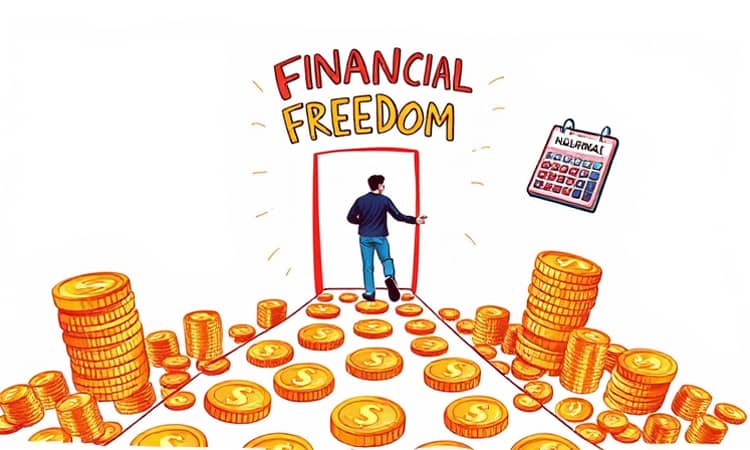
Stepping into a debt-free life begins with a bold commitment to change your financial narrative.
It's more than paying off balances; it's about reclaiming control and reducing stress in a world of rising costs.
In 2026, this journey requires smart planning and unwavering dedication to break free from debt's grip.
Every payment made is a step toward greater freedom and security for your future.
This guide will walk you through practical steps to accelerate your debt payoff with confidence.
Start by Taking Stock of Your Debt
Begin your journey with a clear and honest assessment of all your financial obligations.
List every debt, from credit cards to loans, including balances, interest rates, and minimum payments.
This inventory reveals the total amount owed and helps prioritize where to focus your efforts first.
High-interest debts, like those with APRs above 20%, often drain resources fastest and should be targeted early.
Understanding your debt landscape is the foundation for any successful repayment plan.
Choose Your Debt Repayment Strategy
Two popular methods can guide your accelerated payments: the debt snowball and debt avalanche.
Both involve paying minimums on all debts while directing extra funds to one debt at a time.
The key difference lies in which debt you prioritize, affecting motivation and overall cost.
Select the strategy that aligns with your personality and financial goals for the best results.
- Snowball Steps: List debts from smallest to largest balance; pay extra to the smallest while making minimums on others; roll payments to the next debt once paid off.
- Avalanche Steps: List debts from highest to lowest interest rate; pay extra to the highest rate; continue rolling payments forward.
Empirical data shows the avalanche method often saves more money, but the snowball approach can boost motivation and consistency.
Budgeting to Free Up Funds for Payments
Creating a surplus in your budget is essential for making those extra payments that accelerate debt payoff.
A useful framework is the 50/30/20 rule, which allocates net income to needs, wants, and savings or debt.
- 50% for essentials: Cover housing, utilities, transport, food, and minimum debt payments.
- 30% for wants: Include dining, entertainment, and subscriptions; this area offers room to cut back.
- 20% for savings and debt: Direct funds to extra principal payments and build an emergency fund.
Adjusting this budget can unlock significant money for your debt-free goals.
Small changes add up over time, turning financial strain into manageable progress.
- Cut discretionary spending: Cancel unused subscriptions or try no-spend challenges.
- Negotiate bills: Contact providers for phone, insurance, or cable to lower rates.
- Use technology: Budget apps can automate tracking and payments for better control.
- Set milestones: Break goals into smaller chunks, like paying off a debt in three months.
These strategies help you stay disciplined and focused on long-term success.
Exploring Debt Consolidation Options
For some, consolidating multiple debts into one can simplify payments and reduce interest rates.
This approach is especially effective if high-interest credit cards dominate your debt portfolio.
- Balance Transfer Cards: Offer 0% introductory APRs for 15–21 months; require good credit and prompt payoff to avoid interest.
- Debt Consolidation Loans: Provide a single payment with a potentially lower interest rate than individual debts.
Compare consolidation with DIY methods to ensure it aligns with your financial situation and goals.
When done right, consolidation can streamline payments and accelerate principal reduction.
Boosting Income to Speed Up Repayment
Increasing your earnings is a powerful way to inject extra funds into your debt payoff plan.
Every additional dollar earned can be directed toward reducing balances faster.
- Side hustles: Consider part-time jobs, freelance work, or selling unused items.
- Gig economy: Options like ride-sharing or pet sitting offer flexible income streams.
- Skill development: Enhance your abilities to secure higher-paying opportunities.
Aim to channel all extra income into debt payments to see rapid progress and reduced timelines.
Staying Motivated and Setting Goals
Maintaining momentum is crucial on the debt-free journey, as it can be long and challenging.
Setting clear, achievable goals keeps you engaged and focused on the end result.
- Use visual trackers: Charts or apps to monitor your payoff progress over time.
- Celebrate milestones: Reward yourself for small victories to stay encouraged.
- Seek support: Join communities or consult credit counselors if overwhelmed.
In 2026, with economic uncertainties, having a resilient mindset and practical plan is key to success.
Stories from others who have achieved debt freedom highlight the importance of consistency and perseverance.
Sample Timeline for Your Journey
Visualizing a potential timeline can make the process feel more manageable and realistic.
This example assumes starting with moderate debt and using accelerated payment strategies.
- Month 1: Complete debt inventory and set up your budgeting system.
- Months 2–6: Focus on paying off smaller debts using the snowball or avalanche method.
- Months 7–12: Explore consolidation if needed and ramp up income-boosting efforts.
- Beyond: Continue until debt-free, which may take 25–50 months depending on initial balances.
Adapt this timeline to your personal circumstances for a customized and effective approach.
Remember, the journey is unique to you, but the destination of financial freedom is universal.
With each step, you're not just paying off debt; you're building a foundation for a brighter and more secure future.
References
- https://www.experian.com/blogs/ask-experian/steps-to-get-out-of-debt/
- https://www.discover.com/personal-loans/resources/consolidate-debt/payoff-debt-snowball-vs-avalanche/
- https://www.nerdwallet.com/personal-loans/learn/pay-off-debt
- https://www.experian.com/blogs/ask-experian/avalanche-vs-snowball-which-repayment-strategy-is-best/
- https://www.youtube.com/watch?v=WA-QJHaTbsg
- https://www.wellsfargo.com/goals-credit/smarter-credit/manage-your-debt/snowball-vs-avalanche-paydown/
- https://www.youtube.com/watch?v=Td9uNLrRI90
- https://www.fidelity.com/learning-center/personal-finance/avalanche-snowball-debt
- https://stories.td.com/us/en/article/how-to-set-and-stick-to-new-financial-goals-in-2026
- https://blog.umb.com/debt-strategy-comparison-avalanche-snowball/
- https://servicecu.org/resources/blog/detail/do-this--not-that--financial-wellness-tips-to-plan-your-2026-money-goals/
- https://commons.lib.jmu.edu/honors201019/699/
- https://www.e-fnb.com/debt-avalanche-vs-debt-snowball-which-is-the-best-way-to-pay-down-debt/