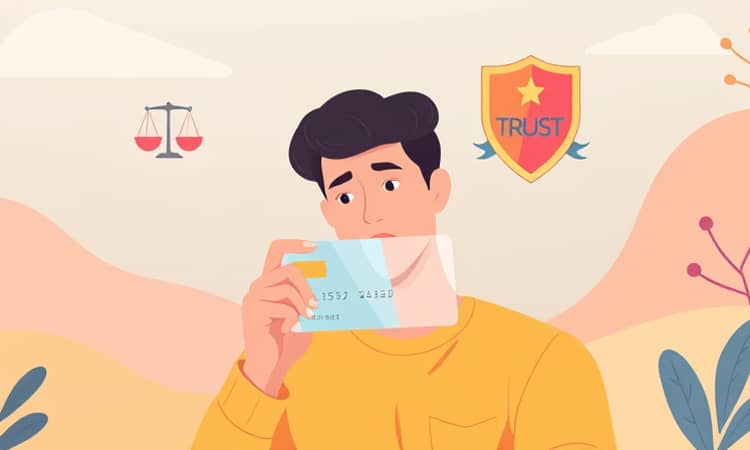
In today's digital economy, credit cards have become ubiquitous tools for transaction, but they carry profound ethical implications.
The balance between convenience and responsibility defines their usage in personal and professional realms.
With over 827 million credit cards in circulation in the United States, understanding ethical practices is crucial for financial health.
Personal financial integrity starts with mindful spending and informed decision-making.
This article delves into how individuals and organizations can navigate these challenges effectively.
Empowering consumers with knowledge is key to fostering trust and reducing debt-related stress.
By embracing ethical frameworks, we can transform credit cards from potential pitfalls into tools for empowerment.
Consumer-Level Ethics and Personal Responsibility
At the individual level, ethical credit card usage revolves around responsible spending and debt management.
Statistics show that less than half of adult cardholders carried a balance in the past year, highlighting a need for better habits.
Adopting a virtue ethics approach encourages traits like prudence and honesty in financial decisions.
Best practices include charging only what you can afford and paying off balances in full each month.
This not only avoids interest but builds a positive credit history over time.
Key strategies to enhance personal responsibility:
- Create and adhere to a monthly budget to track expenses.
- Understand your credit limit and aim for low utilization rates.
- Use credit cards for convenience or planned purchases, not impulse buys.
- Regularly review statements for errors or unauthorized transactions.
These actions promote financial stability and long-term well-being, reducing reliance on debt.
Financial Pressure and Ethical Decision-Making
Rising inflation and high interest rates, averaging 22.8%, have increased credit card reliance for many households.
This financial strain can lead to unethical choices, such as overspending or only making minimum payments.
Ethical decision-making involves recognizing these pressures and seeking alternatives.
For example, emergency expenses account for 25% of unexpected charges, often driven by medical costs.
Planning for such scenarios with savings can mitigate the temptation to misuse credit.
Consumer spending patterns reveal that online transactions make up 69% of purchases, emphasizing digital vigilance.
To combat financial pressure, consider these steps:
- Build an emergency fund to cover at least three months of expenses.
- Negotiate lower interest rates with card issuers if possible.
- Seek financial counseling if debt becomes unmanageable.
- Avoid using credit for non-essential items during economic downturns.
By doing so, you uphold ethical standards even in challenging times.
Professional Ethics: Law Firms and Service Providers
For professionals like lawyers, accepting credit card payments involves specific ethical guidelines to protect clients.
Most states permit this, but it requires careful attention to confidentiality and transparency.
Key ethical concerns include ensuring that client information remains secure during transactions.
Lawyers must comply with rules against revealing confidences, which extends to payment processing.
Best practices for law firms to maintain ethical integrity:
- Notify clients when credit card information is collected and before additional charges.
- Avoid passing surcharges to clients, as it may violate ethics rules in some jurisdictions.
- Set up separate trust accounts for funds deposited via credit card to safeguard them.
- Wait until the chargeback period (around 60 days) has passed before using earned fees.
This approach respects client autonomy and financial circumstances, fostering trust.
Protecting Confidential Information in Digital Transactions
With online transactions dominating, protecting cardholder data is a critical ethical obligation.
Fraud cases have surged by 53% since 2019, underscoring the need for robust security measures.
Payment handlers must adhere to PCI standards to maintain secure networks and prevent breaches.
This includes implementing strong access controls and vulnerability management programs.
For consumers, safeguarding personal information involves:
- Using secure websites with HTTPS for online purchases.
- Monitoring accounts regularly for suspicious activity.
- Enabling two-factor authentication on financial apps.
- Shredding physical statements to prevent identity theft.
These actions align with ethical principles of responsibility and care in the digital age.
Fee Transparency and Client Respect
Transparency in fee structures is essential for ethical credit card usage, especially in professional settings.
Clients should be fully informed about any charges, including potential processing fees.
Ethical surcharge practices dictate that lawyers avoid hidden costs to maintain trust.
In jurisdictions like Virginia, passing along higher fees for credit card use is discouraged.
To ensure respect and clarity:
- Provide detailed invoices that break down all charges clearly.
- Discuss payment options upfront during client consultations.
- Offer alternative payment methods if credit cards pose ethical concerns.
- Regularly update clients on account statuses to prevent misunderstandings.
This fosters a relationship based on mutual respect and honesty.
Trust Account Management for Credit Card Payments
Managing trust accounts with credit card transactions requires diligence to protect client funds.
Firms must ensure that funds are held securely until earned and chargeback risks are minimized.
Credit card companies' chargeback rights can invade trust accounts if not managed properly.
Therefore, lawyers should only use credit cards for fees that are clearly defined and earned.
Key considerations for effective trust account management:
- Establish clear policies for depositing and withdrawing credit card funds.
- Keep meticulous records to track all transactions and balances.
- Consult ethical guidelines specific to your state or profession.
- Use technology solutions that enhance security and compliance.
This safeguards both client interests and professional reputations.
Demographic Perspectives on Credit Card Usage
Different age groups approach credit card ethics uniquely, influenced by economic contexts and generational trends.
For instance, 60% of Gen Z have credit cards in their early 20s, compared to 54.5% of Millennials at the same age.
Younger consumers often face higher utilization rates, nearing 90% for those with low credit scores.
Educating these demographics on ethical practices is vital for long-term financial health.
This table highlights how ethical approaches must be tailored to diverse needs and experiences.
Economic Context and Ethical Implications
Current economic conditions, such as inflation driving an 18% increase in credit card reliance, shape ethical behavior.
Total U.S. credit card debt exceeded $1.17 trillion in early 2026, reflecting systemic pressures.
Ethical usage in this context involves balancing personal needs with broader financial stability.
For example, during holidays, over 80% of consumers used credit cards, sometimes leading to overspending.
To navigate this ethically:
- Prioritize essential expenses over discretionary spending during economic uncertainty.
- Advocate for policies that promote fair lending and lower interest rates.
- Support financial literacy programs to empower vulnerable populations.
- Reflect on personal values to align spending with ethical principles.
By doing so, individuals contribute to a more resilient and ethical financial ecosystem.
In conclusion, the ethics of credit card usage encompass a wide range of practices from personal discipline to professional standards.
Embracing these guidelines can transform credit cards into tools for positive financial growth.
Ultimately, ethical choices empower us to build trust, reduce debt, and foster a healthier economic future for all.
References
- https://www.arborfcu.org/blog/5-best-practices-for-credit-card-use
- https://use.expensify.com/blog/credit-card-statistics
- https://www.clio.com/blog/law-firms-accepting-credit-cards/
- https://www.nerdwallet.com/credit-cards/learn/credit-card-data
- https://dcbar.org/for-lawyers/legal-ethics/ethics-opinions-210-present/ethics-opinion-348
- https://www.paymentsjournal.com/2026-will-see-lackluster-growth-in-credit-thank-heavens/
- https://www.sfbar.org/blog/legal-ethics-corner-ethical-issues-in-accepting-credit-card-payments/
- https://www.lendingtree.com/credit-cards/study/credit-card-debt-statistics/
- https://www.vacle.org/opinions/1848.htm
- https://ramp.com/blog/business-credit-card-statistics-and-metrics
- https://dbrs.morningstar.com/research/471267/2026-us-credit-card-sector-outlook-another-year-of-disconnect-between-consumers-sour-mood-and-spending-habits
- https://www.prindleinstitute.org/2023/09/credit-cards-and-virtue-ethics/
- https://www.corservsolutions.com/five-credit-card-issuing-trends-community-banks-should-act-on-in-2026/