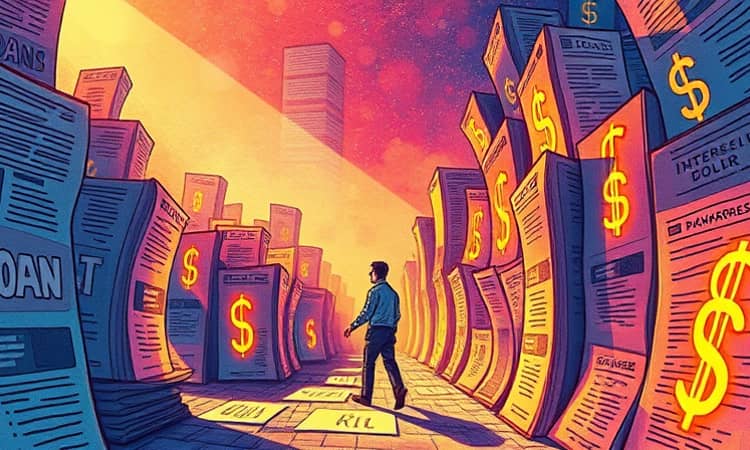
In a world where financial needs can arise suddenly, loans often seem like a convenient solution.
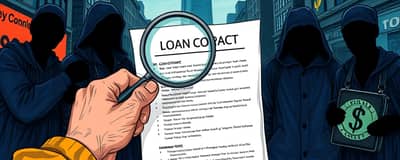
However, beneath the surface of promises and quick approvals, lies a web of hidden costs.
Fees that silently erode your borrowing power can transform a lifeline into a burden.
This article aims to shed light on these dangers and empower you with knowledge.
By understanding the pitfalls, you can make decisions that protect your financial future.
Warning Signs to Watch For
Before diving into specific loans, recognize the red flags that signal trouble.
These signs often indicate predatory lending practices designed to exploit borrowers.
- Unusually high interest rates compared to market averages
- Lack of transparency in fee disclosures or loan terms
- Pressure to sign quickly without time for review
- Vague or complex repayment schedules that confuse borrowers
- Promises of no credit checks or guaranteed approval
Spotting these early can save you from costly mistakes and long-term regret.
The Most Dangerous Loans to Avoid
Certain loan types are notorious for their exploitative terms and hidden traps.
Here is a detailed list of high-risk loans you should steer clear of.
- Payday Loans with interest rates exceeding 400 percent annually
- Title Loans that risk your vehicle for high-cost short-term funds
- Subprime Mortgages with variable rates and foreclosure risks
- Credit Card Cash Advances featuring higher rates and upfront fees
- Unsecured Loans from Non-Reputable Lenders with fraud and hidden costs
- Pawn Shop Loans offering a fraction of your item's true value
- Rent-to-Own Loans requiring payment of several times retail price
Each of these can lead to financial instability if not approached with caution.
Unveiling Hidden Fees: A Breakdown
Beyond interest, loans come with a variety of fees that compound over time.
This table outlines common hidden fees across different loan types.
Fees that compound with interest over the loan term make borrowing more expensive than advertised.
Always scrutinize these costs before committing to any loan agreement.
Real-World Consequences
The impact of hidden costs extends far beyond initial financial strain.
Here are some devastating outcomes that borrowers often face.
- Debt cycles that trap individuals in perpetual borrowing
- Asset loss, such as cars or homes, due to default on secured loans
- Credit damage from missed payments, hindering future financial opportunities
- Financial ruin, exemplified by the 2008 subprime mortgage crisis
- Mental health toll, with stress and anxiety linked to debt burdens
Statistics show that nonbanks and brokers charge up to 14.4% higher closing costs.
This disproportionately affects vulnerable communities, exacerbating economic inequalities.
How to Protect Yourself: Practical Strategies
You can navigate the loan landscape safely with proactive measures.
Implement these strategies to avoid falling victim to hidden costs.
- Review the Loan Estimate document for all fees and interest rates
- Compare multiple lenders, prioritizing reputable institutions over nonbanks
- Check for transparency in terms and avoid high-risk features
- Negotiate fee credits, but be aware they might increase interest rates
- Prefer fixed-rate loans for predictable monthly payments
- For business loans, scrutinize all fees and seek SBA guarantees
Reading the fine print and asking questions can save you thousands of dollars.
Empower yourself by staying informed and vigilant throughout the borrowing process.
Beyond the Numbers: The Broader Impact
Loan costs have ripple effects on society and personal well-being.
Understanding this broader context can inspire more mindful financial choices.
- Homeownership disparities fueled by unequal closing cost burdens
- Personal loan pitfalls where origination fees shrink accessible funds
- Broader debt effects linking financial stress to mental health issues
Experts in sociology and economics highlight how debt intersects with inequality.
By addressing these hidden costs, we can work towards a fairer financial system.
Your journey to financial security starts with awareness and action.
Let this knowledge guide you towards loans that truly support your goals.
References
- https://www.eztaxreturn.com/blog/7-types-of-loans-to-avoid-at-all-costs/
- https://www.avalara.com/blog/en/north-america/2018/06/the-12-hidden-fees-that-could-be-associated-with-your-small-business-loan.html
- https://www.solaritycu.org/post/articles/loan-estimate-101-how-to-avoid-hidden-costs
- https://www.jpmorganchase.com/institute/all-topics/community-development/hidden-costs-of-homeownership-race-income-and-lender-differences-in-loan-closing-costs
- https://www.aol.com/hidden-costs-personal-loans-avoid-120012313.html
- https://www.bankrate.com/loans/personal-loans/sociology-experts-discuss-hidden-costs-of-debt/