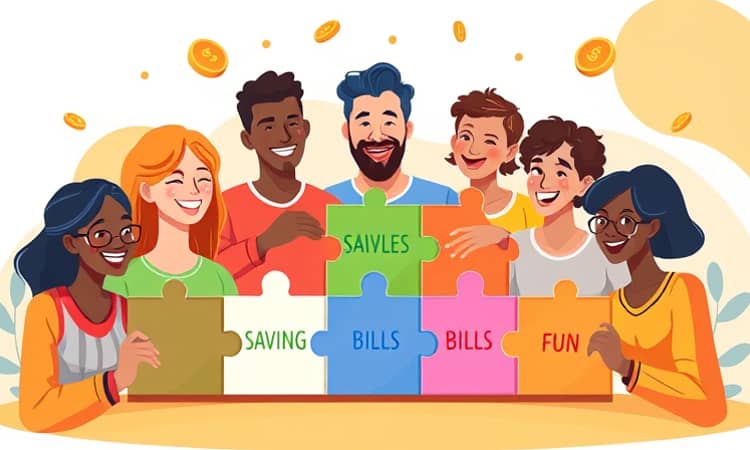
Imagine a life where money feels like a tool for freedom, not a source of stress.
Customizing your budget is the first step toward that reality, allowing you to align spending with your deepest values.
By taking control of your financial destiny, you can turn dreams into achievable goals and uncertainty into confidence.
This guide will inspire you to craft a personalized budget that works uniquely for you, blending practical methods with creative flexibility.
Whether you're starting fresh or refining an existing plan, remember that your budget should reflect your life, not restrict it.
Let's embark on a journey to financial empowerment, where every dollar serves a purpose you define.
Core Budgeting Methods: Finding Your Foundation
Budgeting begins with choosing a method that resonates with your personality and goals.
These core approaches provide a framework you can adapt, each with its own strengths and challenges.
Exploring them helps you discover the perfect fit for your lifestyle, making money management feel less like a chore and more like a strategy.
- Zero-Based Budgeting (Zero-Dollar Rule): This method involves assigning every dollar a job until nothing remains unallocated. It promotes discipline but may feel meticulous for spontaneous spenders.
- 50/30/20 Rule: Allocate 50% to needs, 30% to wants, and 20% to savings or debt. It's a simple framework ideal for starting out, though defining needs versus wants requires honesty.
- Reverse Budgeting (Pay Yourself First): Prioritize savings and investments before anything else. This approach automates financial security and is excellent for building wealth over time.
- Incremental Budgeting: Adjust last year's budget by a fixed percentage. It's straightforward for stable finances but risks perpetuating old spending habits.
- Activity-Based Budgeting (ABB): Link expenses to specific activities or goals, such as cutting operational costs by analyzing drivers. This method is analytical and goal-oriented.
- Value Proposition Budgeting: Focus spending on what brings the most value, though it requires deep insights and may overlook short-term savings.
- Envelope/Cash Stuffing: Use cash in envelopes for categories like groceries, enforcing spending limits through tangible means. It's an old-school way to cultivate discipline.
Beyond these, unusual methods offer creative alternatives that might spark inspiration in your budgeting journey.
Customizing Account Structures for Seamless Management
How you organize your money can reduce friction and enhance control, making budgeting feel effortless.
Tailoring account structures to your rules ensures that automation supports your goals without daily effort.
This step is key to maintaining consistency in your financial plan, allowing you to focus on life's joys.
- Four Bank Account Method: Separate funds into bills for fixed expenses, savings goals for emergencies, guilt-free spending for fun, and a buffer for one-offs. Automating deposits streamlines this process.
- Couples Setup: Use a joint account for shared expenses like mortgage and bills, with individual allowance accounts for personal judgment-free spending. This fosters harmony and independence in relationships.
- Automation Tactics: Split your paycheck automatically into different accounts based on your chosen framework. For example, direct 50% to needs, 30% to wants, and 20% to savings via payroll splits.
By setting up these structures, you create a system that works silently in the background, freeing up mental energy for what matters most.
Steps to Build Your Custom Budget: A Practical Guide
Building a custom budget involves a step-by-step process that adapts to your unique circumstances.
Follow these steps to craft a plan that evolves with your life, ensuring it remains relevant and empowering.
- Define Your Goals: Write down 3-5 priorities, such as building an emergency fund or saving for a dream vacation. Limiting goals keeps focus sharp and achievable.
- Assess Your Current State: Calculate total income from paychecks and benefits versus expenses. Tracking versus planning reveals gaps and opportunities for adjustment.
- Compare and Allocate: Subtract fixed and variable expenses from income, then apply a framework like the 50/30/20 rule. This step distributes funds with intention.
- Plan for Big and Seasonal Expenses: Break costs like insurance or holiday spending into monthly savings. This prevents financial surprises and promotes steady progress.
- Budget for Emergencies: Set aside a buffer aiming for 3-6 months of expenses. An emergency fund is crucial for peace of mind during unexpected events.
- Trim and Optimize Spending: Look for areas to cut back, such as using store brands, adjusting thermostats, or limiting subscriptions. Small changes add up over time.
- Track and Adjust Regularly: Use apps to monitor progress and revisit your budget quarterly. Celebrating wins, like hitting savings targets, boosts motivation.
- Make Top-Down Adjustments: If goals shift, such as aiming for early retirement, cut spending or increase income accordingly. Flexibility ensures your budget grows with you.
Each step empowers you to take ownership of your financial journey, turning abstract ideas into concrete actions.
Tools to Simplify Your Budgeting Experience
Leveraging technology can make budgeting effortless and consistent, reducing the burden of manual tracking.
Choosing the right tools aligns with your preferences, whether you love detail or prefer simplicity.
- YNAB: Excellent for structured zero-based budgeting with real-time tracking and educational resources.
- Monarch: A user-favorite for its ease of use, comprehensive features, and intuitive design.
- Tiller: Integrates with spreadsheets for those who enjoy customization and data analysis.
- General tools like budget calculators and mobile alerts provide low-friction options for staying on track without overwhelm.
By incorporating these tools, you can transform budgeting from a task to a habit, seamlessly integrating financial management into daily life.
Savings and Investment Strategies for Long-Term Growth
Incorporating savings into your budget builds wealth and secures your future, turning aspirations into reality.
Focus on strategies that prioritize your financial well-being, ensuring that money works for you over time.
- Consider backdoor Roth IRAs for tax-advantaged retirement savings, investing lump sums early in the year.
- Set up joint investments or 529 plans for education goals, automating contributions to build steadily.
- Prioritize an emergency fund to cover unexpected expenses, aiming for 3-6 months of living costs.
- Allocate funds for short-term pleasures like vacations or hobbies, balancing enjoyment with responsibility.
Paying yourself first ensures that your future self is taken care of, creating a foundation of security and opportunity.
Advanced Insights for Household Efficiency
You can borrow strategies from business contexts to optimize your home budget, mimicking corporate efficiency in personal finance.
Adapting these methods helps maximize efficiency in your finances, fostering smarter decision-making.
- Top-Down or Imposed Budgeting: Leadership sets the budget; useful for quick cuts but may lack family buy-in if not communicated well.
- Negotiated or Participative Budgeting: Blend top goals with input from all members; this boosts commitment and satisfaction in household finances.
- Hybrid frameworks, such as using incremental budgeting for core expenses and activity-based for projects, enhance flexibility and alignment with changing priorities.
These insights encourage a proactive approach, where budgeting becomes a collaborative and dynamic process.
Looking Ahead: Trends and Challenges for 2026
Staying ahead of economic shifts ensures your budget remains resilient and adaptive to changing circumstances.
Post-holiday planning is crucial to reset and refocus on financial goals, avoiding regret and fostering renewal.
Inflation and seasonal costs require diligent monitoring and automation to maintain stability amid fluctuations.
Embrace trends like mindful spending and leverage tools to navigate changes with confidence, turning challenges into opportunities for growth.
Your budget is a living document that evolves with your life, reflecting your journey toward financial freedom.
By customizing it, you turn money management into a powerful tool for achieving your dreams, one intentional step at a time.
Start today, and make your money work by your rules, crafting a future filled with possibility and peace.
References
- https://wealthkeel.com/blog/budget-reset-challenge/
- https://www.abacum.ai/blog/four-types-of-budgeting
- https://www.newrez.com/blog/self-help-articles/how-to-budget-your-money-in-2026/
- https://www.thefinanceweekly.com/post/4-types-of-budgeting-methods-and-their-pros-and-cons
- https://www.apadvisors.com/blogs/personal-planning/2026-budget/
- https://www.greencountryfcu.com/10-unusual-budgeting-methods-to-try/
- https://www.onedigital.com/blog/how-to-build-a-simple-financial-plan-for-2026/
- https://www.thrivent.com/insights/budgeting-saving/types-of-budgets-5-most-popular-methods-examples-who-theyre-best-for
- https://www.nescfcu.org/how-to-create-a-household-budget
- https://www.sofi.com/learn/content/types-of-budgeting-methods/
- https://www.youtube.com/watch?v=eOPsbDlmU9U
- https://www.edvisors.com/blog/uncommon-budgeting-strategies/
- https://www.amerisbank.com/Personal/Learn/Financial-Articles-Advice/Managing-Your-Money/3-Ways-to-Automate-Your-Budgeting-Goals-in-2026
- http://www.usbank.com/financialiq/manage-your-household/life-events/graduating-from-college/budgeting-strategies-to-consider.html
- https://www.boldin.com/retirement/ways-to-budget/