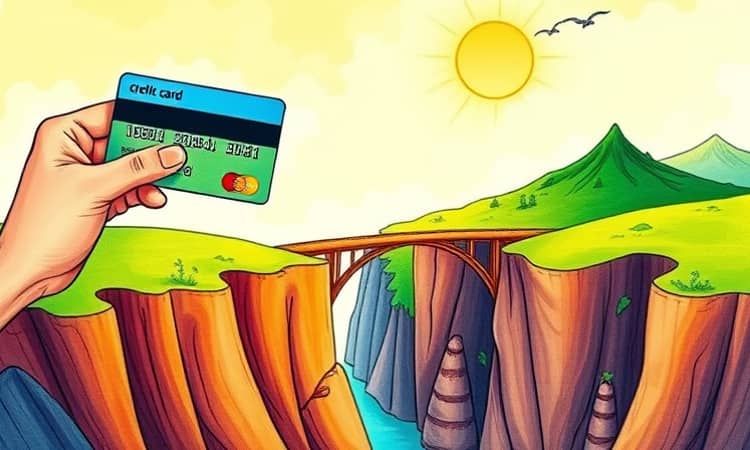
Struggling with bad credit can feel like an insurmountable obstacle, but it is a challenge you can conquer with the right approach.
Every journey to financial recovery begins with a single step, and this guide is here to walk you through it.
By leveraging tools like a credit card strategically, you can turn setbacks into stepping stones toward a brighter future.
This article will provide you with actionable insights and inspiration to rebuild your credit from the ground up.
Let's embark on this transformative path together, focusing on practical steps and long-term success.
Understanding the Root Causes of Bad Credit
Before you can fix your credit, you need to know what went wrong.
Credit scores are influenced by several key factors, each playing a crucial role in your financial health.
Payment history is the most important, accounting for 35% of your FICO score.
Late or missed payments can significantly drag down your rating over time.
High credit utilization is another common culprit, ideally kept below 30% of your available limit.
For example, if you have a $1,000 limit, aim to owe no more than $300 at any time.
Other issues include a limited credit history or errors on your reports that need correction.
Identifying these causes is the first step toward targeted improvement.
- Review payment patterns for consistency.
- Check your credit utilization ratio regularly.
- Look for inaccuracies in your credit reports.
Taking the Initial Steps: Review and Dispute
Start by obtaining your free credit reports from AnnualCreditReport.com.
You are entitled to one report per bureau each year, so use this resource wisely.
Scrutinize these reports for any errors, such as incorrect account details or fraudulent activity.
Disputing inaccuracies immediately can lead to quick score boosts if resolved in your favor.
This process sets a clean slate for your rebuilding efforts.
- Access reports from Equifax, Experian, and TransUnion.
- File disputes online or via mail for any mistakes.
- Monitor updates to ensure corrections are made.
Core Strategies for Effective Credit Rebuilding
Once you understand your credit status, implement core strategies to drive improvement.
Paying bills on time is non-negotiable, as it builds a positive payment history.
Set up auto-payments or reminders to avoid missing due dates, which can safeguard your score.
Reducing credit utilization involves paying down balances and possibly requesting limit increases.
Aim to keep your utilization under 30% to see meaningful gains in your score.
Debt reduction methods like the snowball or avalanche approach can help you tackle obligations systematically.
The snowball method focuses on paying off smallest debts first for motivational wins.
The avalanche method targets highest-interest debts to save money over time.
Negotiating with creditors for hardship plans can also provide relief and prevent further damage.
- Use auto-pay for all recurring bills.
- Pay down high balances aggressively.
- Choose a debt reduction strategy that fits your personality.
- Contact creditors to discuss payment options if struggling.
Leveraging Credit Cards for Recovery
Credit cards, when used responsibly, can be powerful tools for rebuilding credit.
Secured credit cards are often the best starting point, as they require a refundable deposit.
This deposit acts as collateral, reducing risk for issuers and making approval easier for those with bad credit.
These cards report to all three major credit bureaus, helping you build positive history.
After demonstrating good behavior, you may graduate to unsecured cards with better terms.
Second-chance or unsecured options are also available, though they may come with higher fees.
Focus on cards that report to Equifax, Experian, and TransUnion for maximum impact.
Here is a table of recommended credit cards for bad credit, based on 2025-2026 data:
When selecting a card, prioritize options with no annual fees and low deposit requirements.
Always pay your balance in full each month to avoid high interest charges, which can worsen debt.
Consistent on-time payments are key to unlocking better credit opportunities over time.
- Choose a secured card to start building history safely.
- Monitor your card usage to keep utilization low.
- Look for cards with graduation features to unsecured versions.
Monitoring Your Credit Progress
Tracking your credit score improvements is essential for staying motivated.
Use free tools like CreditWise or similar apps to monitor changes regularly.
Avoid unnecessary credit inquiries, as hard pulls can temporarily lower your score.
Set milestones, such as aiming for a 50-point increase within six months.
Celebrate small victories to maintain momentum on your rebuilding journey.
Regular monitoring helps identify areas for further improvement quickly.
Additional Tools to Boost Your Score
Beyond credit cards, consider other financial instruments to enhance your credit profile.
Credit-builder loans, such as those secured by savings, allow you to build history while earning interest.
Debt consolidation can simplify payments and potentially lower interest rates.
Balance transfers with 0% introductory APR offers can provide relief if you qualify.
However, use these tools cautiously to avoid accumulating more debt.
- Explore credit-builder loans from credit unions.
- Consolidate high-interest debts into a single loan.
- Utilize balance transfers for short-term interest savings.
Developing Long-Term Financial Habits
Rebuilding credit is not just about quick fixes; it requires sustainable habits.
Create a budget to ensure you spend less than you earn, preventing future credit issues.
Keep old credit accounts open to maintain a longer credit history, which benefits your score.
Avoid opening new accounts unnecessarily, as this can reduce your average account age.
Budgeting is foundational for financial health and long-term stability.
Incorporate these practices into your daily life to secure a brighter financial future.
The Journey Ahead: Timeline and Expectations
Rebuilding credit takes time, often requiring months to years of consistent effort.
Do not get discouraged by slow progress; focus on making small, steady improvements each day.
Expectations should be realistic, with most people seeing significant score gains within 6-12 months.
Patience and persistence are your greatest allies in this process.
Remember, every on-time payment and reduced balance contributes to your overall success.
Stay committed to the strategies outlined here, and you will witness your credit transform.
Your financial reputation can be restored, opening doors to loans, better rates, and peace of mind.
Embrace this journey as an opportunity for growth and empowerment.
References
- https://www.ukfcu.org/blog/how-to-recover-from-a-bad-credit-score
- https://tilt.com/blog/second-chance-credit-cards-bad-credit-2025/
- https://www.academybank.com/article/financial-comebacks-how-to-rebuild-credit
- https://www.experian.com/credit-cards/best-for-bad-credit/
- https://www.experian.com/blogs/ask-experian/credit-education/improving-credit/how-to-fix-a-bad-credit-score/
- https://www.mastercard.com/us/en/personal/find-a-card/credit-card/credit-type/bad-credit.html
- https://www.pfcu.com/resources/education/moneyline-blog/february-2025/the-ultimate-guide-fixing-bad-credit-2025
- https://usa.visa.com/pay-with-visa/find-card/apply-credit-card/bad_credit_rebuilding
- https://www.afbank.com/article/how-do-i-rebuild-my-credit-after-financial-setbacks
- https://www.bankofamerica.com/credit-cards/credit-cards-to-build-credit/
- https://www.sharonview.org/money-matters-blog/detail/sharonview-blog/2024/08/01/8-tips-for-building-credit-rebuilding-credit
- https://www.discover.com/credit-cards/card-smarts/instant-approval-credit-cards-bad-credit/
- https://www.chase.com/personal/credit-cards/education/build-credit/rebuilding-credit
- https://www.creditkarma.com/credit-cards/bad-credit
- https://www.powerfi.org/Blog/2025/September/Bad-Credit-Isn-t-the-End-How-to-Rebuild-Your-Credi